

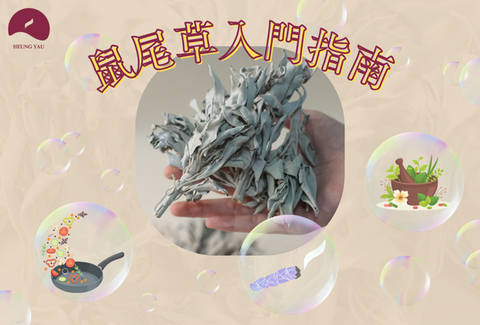
1. Introduction: Exploring the World of Sage
Sage is an ancient aromatic herb that many cultures associate with wisdom, protection and cleansing. From the traditional cleansing ceremonies of Native American peoples to people lighting sage at home today, its distinctive scent and cultural history continue to draw people in. This guide walks beginners through sage's history, uses, how to burn it properly and who should be careful with it. Whether you're hearing about sage for the first time or want to learn more, this guide will take you on a journey of fragrance and knowledge!
2. What Is Sage?
The History and Origin of Sage
Sage (genus Salvia) is a group of aromatic herbs and subshrubs in the mint family (Lamiaceae) that has played an important role in human life for centuries. The name Salvia is generally traced to the Latin salvus, meaning "healthy" or "safe". Common or garden sage (Salvia officinalis) is native to the Mediterranean region and was already used in medicine and religious rites in ancient Greece and Rome. In medieval Europe it was a staple household herb; the famous medical poem Regimen Sanitatis Salernitanum asks, "Why should a man die who has sage in his garden?"—and then answers in the very next line that no garden herb can overcome death. It shows how highly sage was regarded, not a modern medical conclusion. Today sage is grown across Europe, the Americas and Asia, while white sage (Salvia apiana), the species used in cleansing ceremonies, is native to southern California and Baja California in Mexico, where it is an important plant in Indigenous culture.
The Cultural Significance of Sage
Sage is more than a useful herb; it carries meaning across eras and cultures. In many traditions it is regarded as a sacred symbol:
- Native American traditions: In the traditional ceremonies of Indigenous peoples in California, white sage is burned to cleanse homes, people and ceremonial spaces, and is an important ceremonial plant.
- European folk tradition: In European folklore, sage has long been linked with wisdom, long life and protection, and seen as a gift from nature.
- Modern city life: Many people light sage after moving house, after a big clean or before meditation, as a small ritual to reset a space and shift their mood.
From ancient legend to contemporary life, this plant carries a wealth of stories and has become a bridge between tradition and modern living.
Three Common Types of Sage
There are many kinds of sage, each with its own character and uses. Here are three common types:
- Common Sage: Known for its rich, warm aroma, it is a star herb in the kitchen, adding depth of flavour to dishes.
- White Sage: With silvery-white leaves and a fresh, intense scent, it is the sage most used in North American cleansing ceremonies, and is often made into smudge bundles or incense.
- Clary Sage: Soft and slightly floral, it is often distilled into essential oil for perfumery and aromatherapy blends.
From ancient times to today, sage has crossed geographic and cultural boundaries in many forms. Whether you want to add a touch of fragrance to your home or a little ritual to your day, sage is an easy place to start.
3. Three Main Uses of Sage
Sage is not only a fragrant herb but a versatile natural material. Its uses span three areas: cooking, traditional herbal medicine and cleansing rituals.
Culinary Uses of Sage
Sage shines in the kitchen, particularly in Mediterranean cuisine. Its leaves, with their rich, herbaceous aroma, add a distinctive flavour to meats, soups and sauces. Whether it's roast chicken, stews or rich pasta sauces, a little sage lifts a dish and fills every bite with warmth and fragrance.
Traditional Medicinal Records of Sage
Sage has a long history of herbal use in Europe. The European Medicines Agency's Committee on Herbal Medicinal Products, in its European Union herbal monograph on Salvia officinalis L., folium (EMA/HMPC/277152/2015, revised 2016), classes sage leaf as a "traditional herbal medicinal product"—that is, based on long-standing use rather than proven clinical efficacy. The traditional uses listed are:
- Relief of mild digestive complaints such as heartburn and bloating (taken orally)
- Relief of excessive sweating (taken orally)
- Relief of inflammation in the mouth or throat (as a gargle)
- Relief of minor skin inflammation (applied to the skin)
These refer to teas or extracts prepared to medicinal standards, not to burning sage or incense. The same monograph does not recommend use during pregnancy, breastfeeding or under 18. If you have a health concern, please consult a doctor or qualified healthcare professional.
A note on Chinese herbal records: Classical Chinese materia medica also has an entry called 鼠尾草 ("sage"), first in the Mingyi Bielu (Miscellaneous Records of Famous Physicians) and later in Li Shizhen's Bencao Gangmu, which records its flowers and leaves as "bitter, slightly cold, non-toxic" and used traditionally for dysentery-type conditions. However, this refers to a native Chinese sage growing in damp lowlands, not the same species as Western garden sage or white sage, so the two should not be confused.
Cleansing Uses of Sage
Sage is best known for smudging—burning sage as a cleansing ritual. In Native American traditions and modern spiritual practice, sage smoke is believed to dispel negative energy and restore a positive atmosphere to a space. From ceremony to modern homes, it is often used as a small ritual to reset a room and settle the mind, offering a moment of calm in a busy life.

4. What Does Burning Sage Do?
Burning sage fills a space with a fresh herbal scent and carries rich cultural meaning. Here we look at three aspects: its traditional meaning, the experience of the scent, and the often-quoted "antibacterial" claim.
1: Traditionally Used to Cleanse a Space
Sage smoke has long been believed to have cleansing power, especially in spiritual practice, where it is used to clear negative energy and restore harmony to a space. Watching the white smoke drift through a room, many people treat it as a ritual of starting afresh—whether it's cleansing a new home or resetting everyday life. (These are cultural and spiritual beliefs.)
2: A Relaxing Scent and a Sense of Ritual
Many people find the fresh herbal scent of burning sage helps them slow down and shift their mood. For busy people, whether unwinding after work or settling in before meditation, the act of lighting sage is itself a simple ritual. This describes a personal sensory experience, not a medical effect; if you are dealing with anxiety, insomnia or similar concerns, please seek professional advice.
"Kills Airborne Bacteria"? What the Research Actually Says
You'll often read online that "burning sage removes 94% of airborne bacteria". That figure comes from a 2007 study by Nautiyal and colleagues in the Journal of Ethnopharmacology, "Medicinal smoke reduces airborne bacteria". The researchers burned a mixture of wood and many herbs (havan sámagri) in a closed room for one hour and found airborne bacterial counts fell by over 94% within 60 minutes. However, the study did not test sage or white sage on its own, and it was carried out in a sealed experimental room. So we don't recommend treating sage smoke as a way to disinfect or prevent illness—cleaning and ventilation remain the basics of home hygiene, and you should keep the air flowing whenever you burn any incense.
5. How to Burn Sage Properly
Burning sage is a simple yet meaningful ritual. The following practical steps help beginners get started safely and easily.
Preparing to Burn Sage
- Prepare a bundle of dried sage (a good-quality white sage bundle is recommended)
- Prepare a fireproof container (such as a ceramic bowl or shell) to catch the ash
- Have a lighter or matches ready
- Make sure the area is safe and away from flammable materials
If handling a loose bundle feels like a hassle, or you'd like less smoke and something easier for everyday use, you can also choose an incense stick made with white sage, such as Heung Yau's Good Fortune white sage incense—simply place it in the holder and light it.
Lighting the Sage
- Hold the sage by one end and light the tip with a lighter or match
- Let it burn for about 20 seconds, until the leaves begin to smoke
- Gently blow out the flame; the sage should keep releasing soft white smoke, which is ideal for smudging
Extinguishing and Finishing
- When you're done, press the bundle gently into the fireproof container to put it out, making sure no embers remain
- Avoid dousing it with water, so the sage stays in good condition for next time
- Afterwards, open the windows to let air circulate (traditionally, this is also said to carry away the cleared negative energy)
Safety Notes When Burning Sage
- Keep the space ventilated and avoid inhaling too much smoke
- Make sure the fireproof container is stable and away from anything combustible
- If you are sensitive to smoke, try a short burn first to see how you feel
6. What Makes Sage Special
Sage's many uses and cultural meaning make it stand out among herbs, and it is both easy and enjoyable for beginners. Here are three things that make it special:
- A cultural symbol of cleansing: Sage is considered a sacred herb in many cultures, and white sage in particular is the signature plant of North American cleansing ceremonies.
- A fresh, layered aroma: From the rich herbal notes of common sage and the fresh intensity of white sage to the soft floral tone of clary sage, each has its own character and fits easily into daily life.
- A versatile natural material: Sage spans cooking, traditional herbalism and cleansing rituals, with a wide range of practical uses.
7. Cautions, and Burning Sage at Night
Whether you drink it, apply it or burn it, please keep the following cautions in mind, especially for certain groups or settings:
- Pregnancy and breastfeeding: The EMA herbal monograph states that the safety of sage during pregnancy and breastfeeding has not been established, so its use is not recommended. Please consult a doctor before using any sage product.
- Epilepsy: Sage contains thujone, which the EMA monograph notes is neurotoxic; seizures have been reported after high intakes of sage oil. Burning has not been well studied, but people with epilepsy should ask their doctor first.
- Respiratory conditions: Any smoke can irritate the airways. People with asthma or other respiratory conditions should avoid burning sage in closed rooms, or check with a doctor first.
- After drinking or when drowsy: Open flames need your full attention, so avoid burning sage or any incense after drinking alcohol or when you're very sleepy.
- Burning at night: There is a popular saying that sage shouldn't be burned at night. This is folk custom, not science. The practical concerns are that smoke in a closed bedroom can be uncomfortable, and it's easy to forget a smouldering flame just before sleep. If you want to use it in the evening, light it earlier, keep the room ventilated and make sure it is fully out before bed.
- Sensitivity: Some people may be sensitive to sage smoke or scent. Before first use, try a short burn and see how you react. If you feel unwell, stop immediately and ventilate the room.
8. Conclusion and Product Picks
In this beginner's guide to sage, we've explored its long history and cultural meaning, and its many uses in cooking, traditional herbalism and cleansing rituals. From ancient Mediterranean wisdom and North American cleansing traditions to small rituals in modern homes, sage's fresh scent and deep cultural roots have made it a natural companion for many people. Whether you want to refresh the atmosphere at home, add a little ritual to a busy day or bring a unique flavour to your cooking, sage can bring a touch of nature to your life.
Want to enjoy white sage at home without fuss? You don't need a whole bundle—one incense stick is enough to start.
HEUNG YAU WHITE SAGE STICKS
Enjoy white sage without handling a loose bundle
Handmade in Hong Kong from natural plant materials, with no added fragrance or chemicals. Just place a stick in the holder and light it—an easy ritual after moving house, a big clean, or before meditation.


50 sticks per box · approx. 9cm each · burns about 20 minutes · incense holder included
Natural plant materials · no added fragrance or chemicals · made in Hong Kong
Prefer traditional smudging? See our white sage Smudge Stick

Comments (0)
There are no comments for this article. Be the first one to leave a message!